Communication Challenge
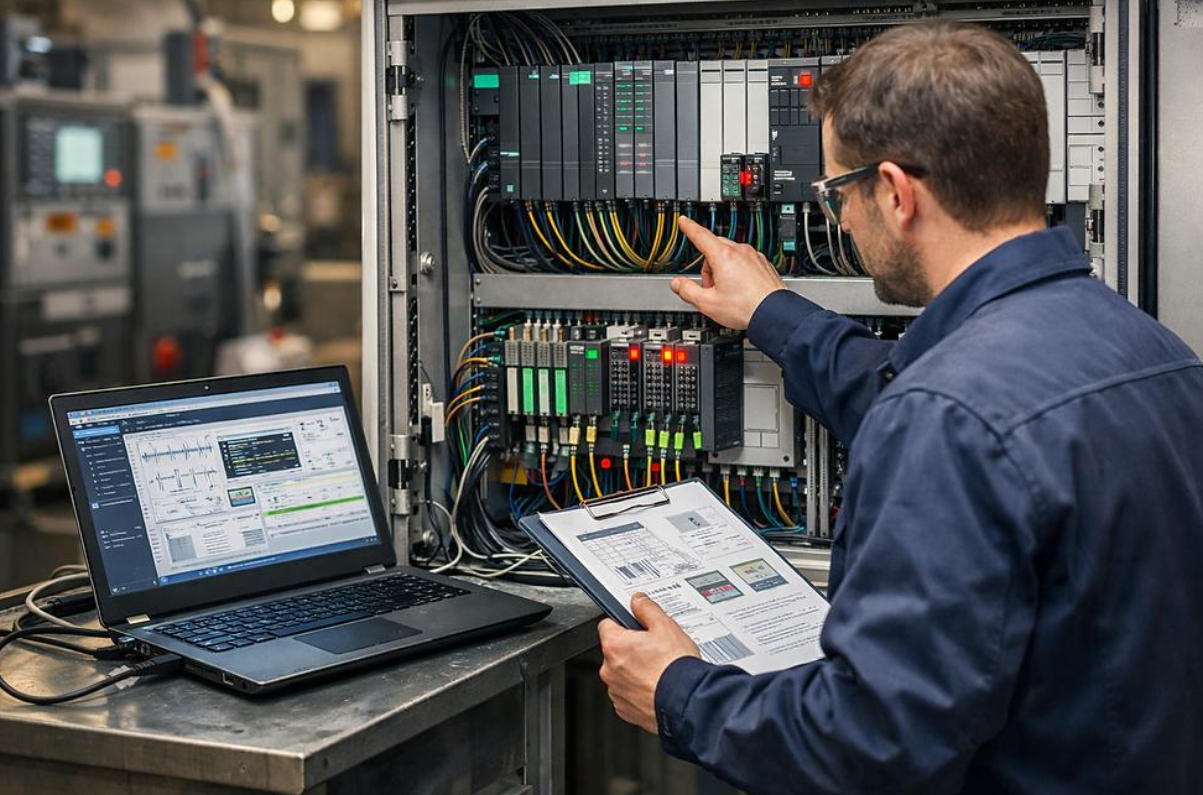
In many industrial automation systems, sensors and field devices communicate through the CAN bus, while the central PLC uses Modbus TCP for data acquisition.
Since these devices use different communication protocols, the PLC cannot directly read CAN messages without a suitable gateway.
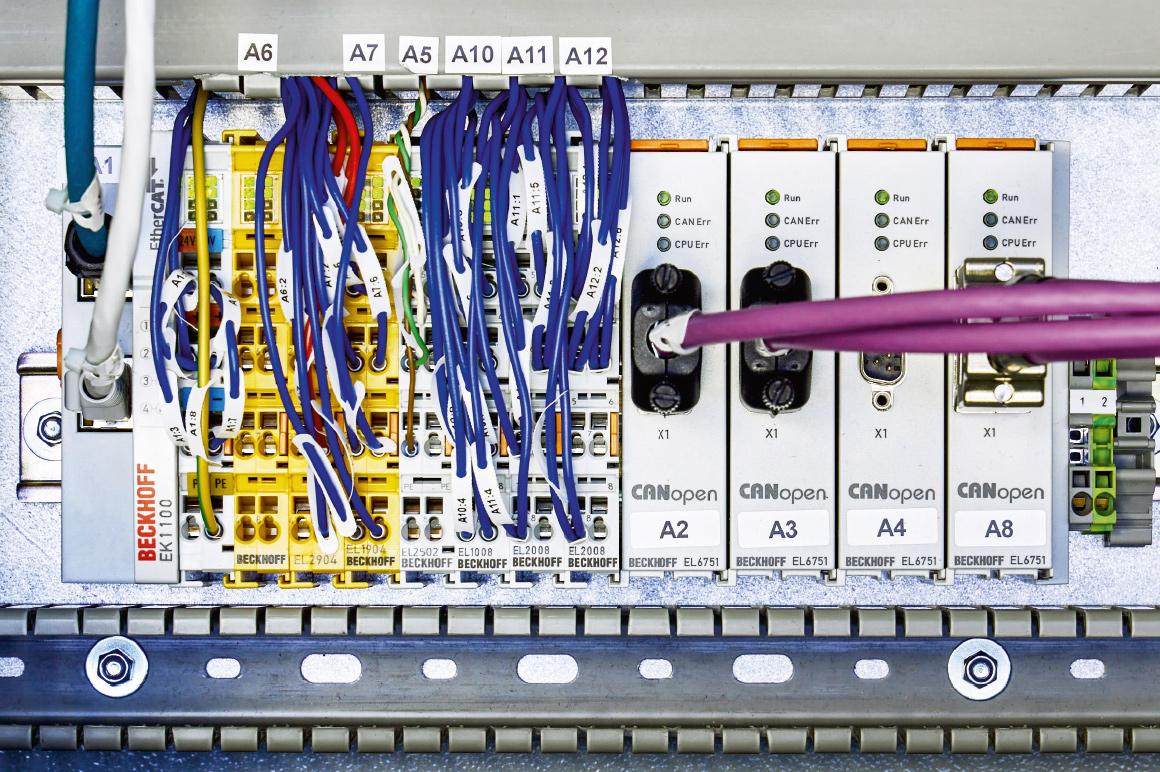
CAN data acquisition through a GCAN-205 gateway and a Modbus TCP PLC
Solution
The GCAN-205 receives CAN frames from connected field devices and maps the configured data to Modbus registers, allowing a PLC to access CAN data through Modbus TCP.
Products Used
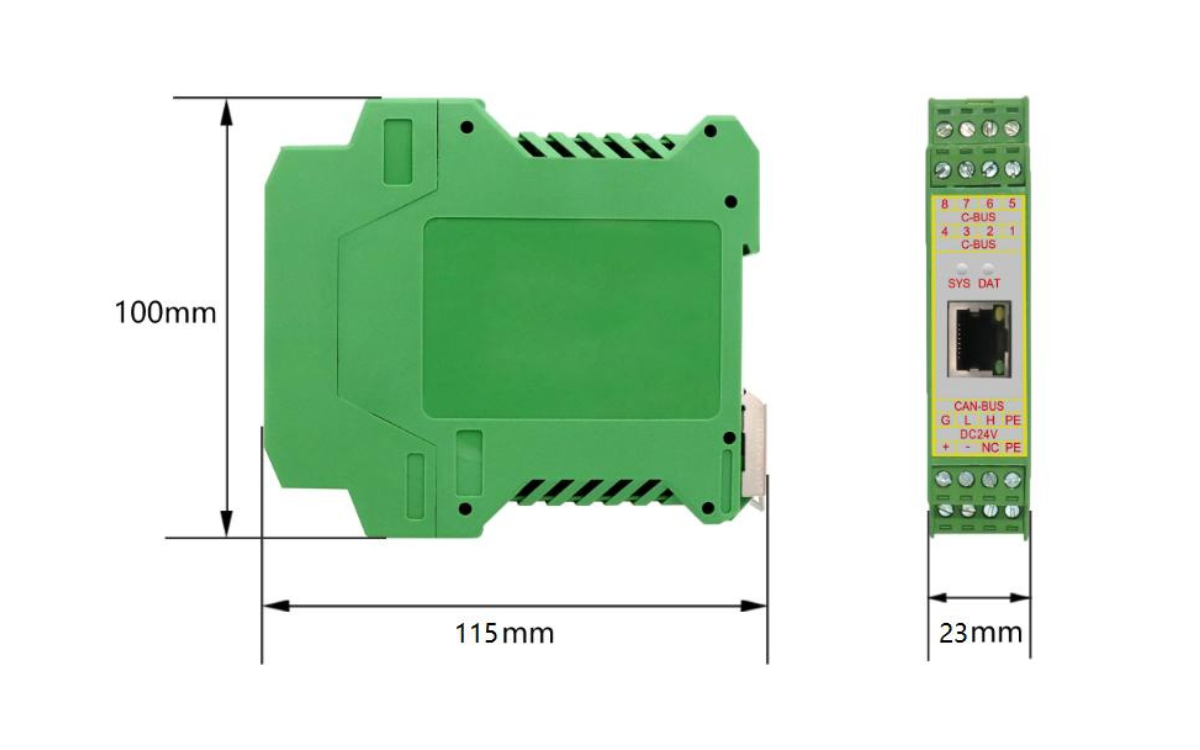
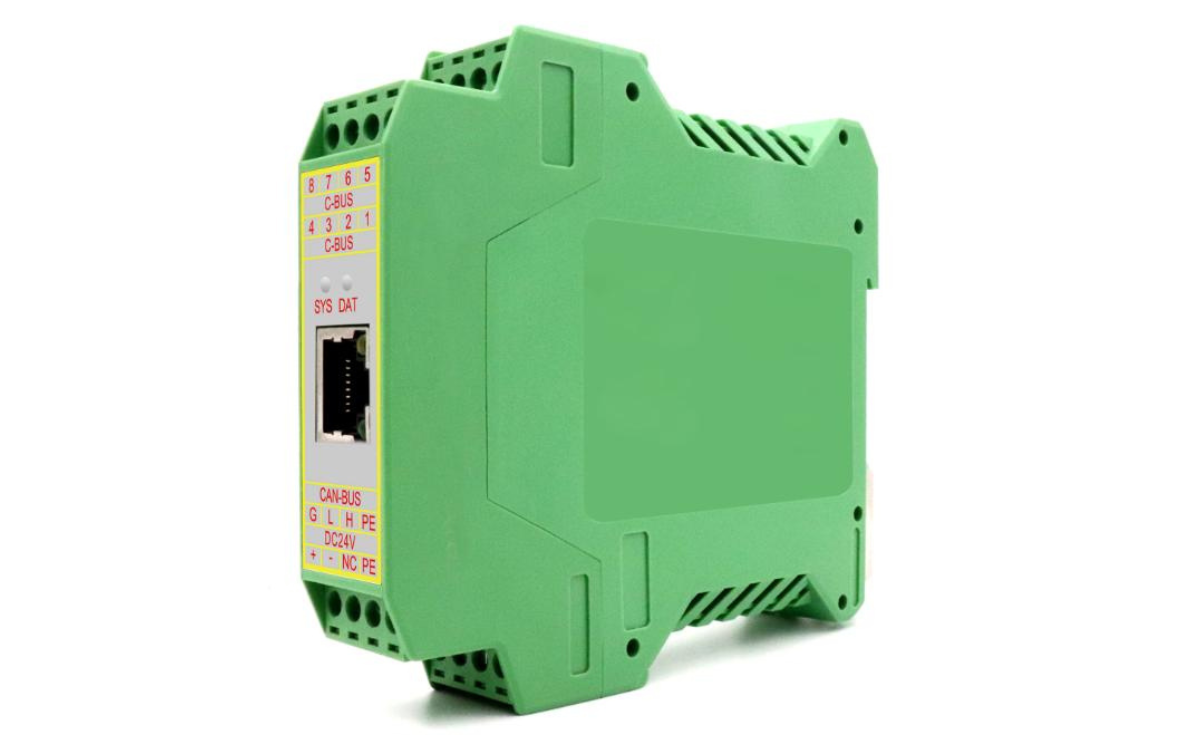
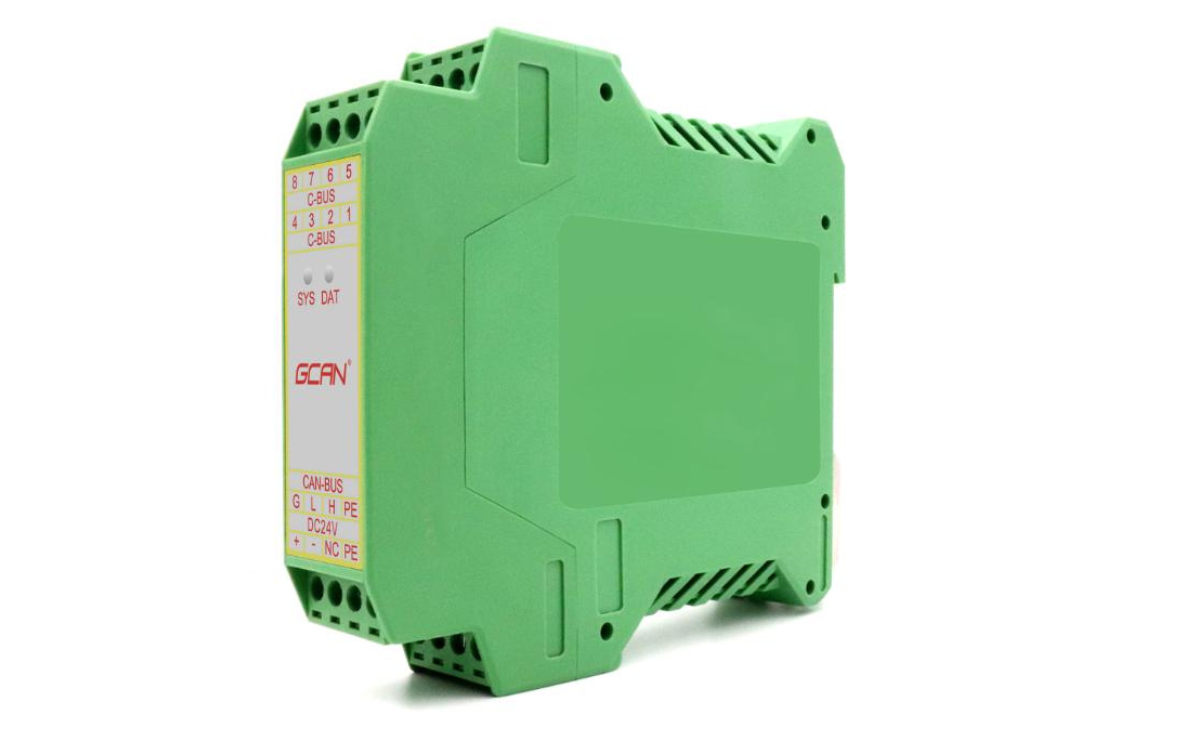
GCAN-205: 1-Channel Ethernet (Modbus TCP) to CAN Protocol Converter
- GCAN-205 Modbus TCP-to-CAN Gateway
- Modbus TCP-compatible PLC
- CAN-based sensors or field devices
Related Topic: #GCAN-205
1 Related ArticlesInterfaces & Protocols
PLC ↔ GCAN-205: Ethernet · Modbus TCP
GCAN-205 ↔ CAN Devices: CAN Bus · CAN 2.0A/B
How Data Flows
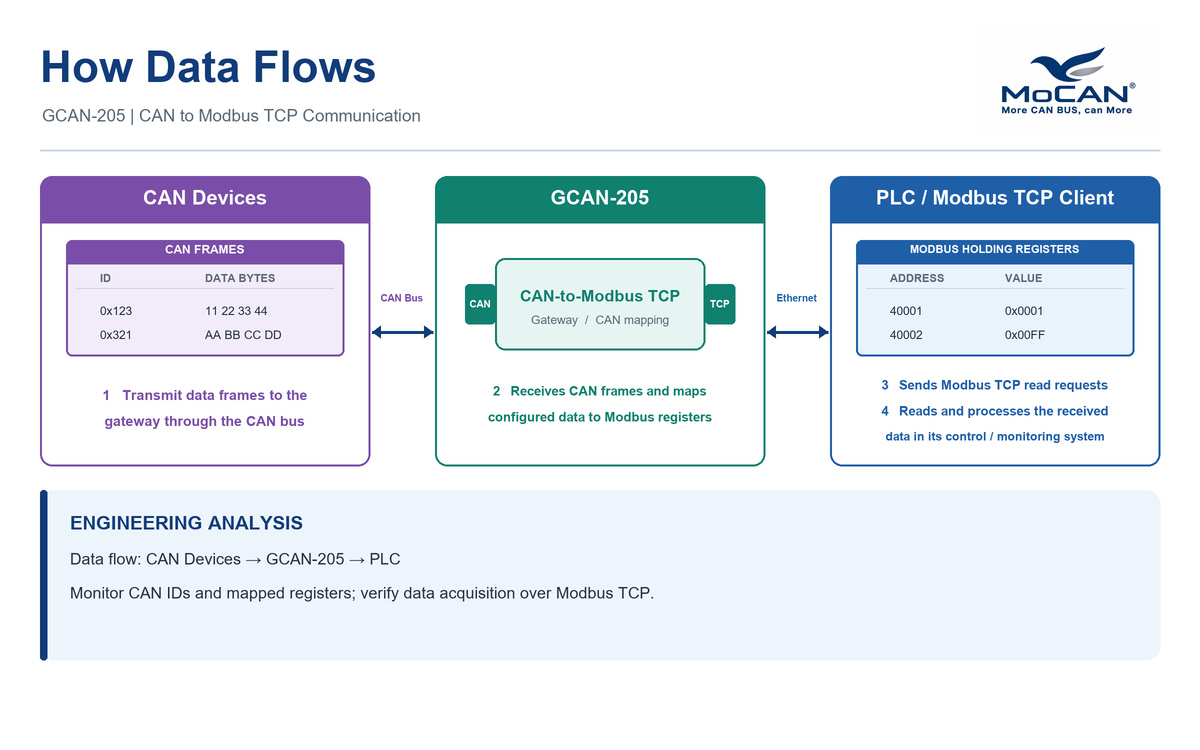
- CAN Devices → GCAN-205: CAN devices transmit data frames to the gateway through the CAN bus.
- GCAN-205 Processing: Receives CAN frames and maps the configured data to Modbus registers.
- GCAN-205 → PLC: The PLC sends Modbus TCP read requests to retrieve the mapped CAN data.
- PLC Processing: Reads and processes the received data within its control or monitoring system.
Result
The PLC can acquire CAN device data through its existing Ethernet interface, without requiring a dedicated CAN interface.
Related Topic: #Modbus PLC to CAN Communication
4 Related Articles
GCAN-205 Application: Modbus TCP to CAN Command Transmission
PLC-to-CAN Command Transmission · GCAN-205 Modbus TCP-to-CAN Gateway · Modbus TCP Slave · CAN 2.0A/B · Triggered and Cyclic Transmission
GCAN-204 Application: Modbus PLC to CAN Device Command Transmission
Modbus RTU PLC to CAN Device Communication · PLC Command Transmission · Configurable Register Mapping · CAN 2.0A/B · GCAN-204
GCAN-204 Application: CAN Data Acquisition via Modbus RTU
CAN Sensor Data Acquisition · Modbus RTU PLC Integration · Configurable CAN-to-Modbus Register Mapping · CAN 2.0A/B · GCAN-204
GCAN-204 Modbus RTU Slave to CAN Gateway
Level 3 Gateway: Register Mapping Modbus RTU Slave to CAN Gateway · CAN 2.0A/B · Configurable Data Mapping · Software Configuration
Related Topic: #CAN Bus & CAN FD
6 Related Articles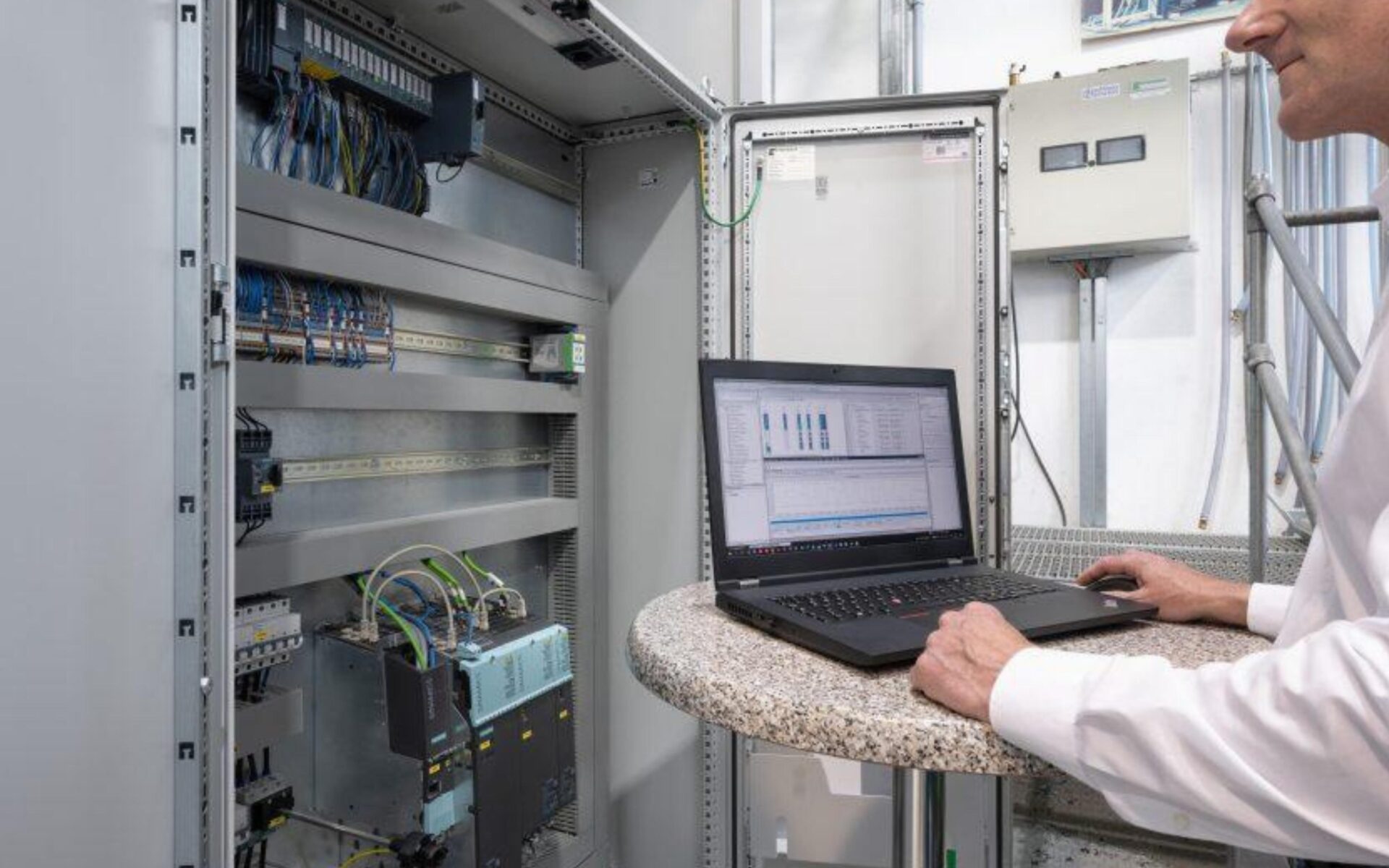
GCAN-212B Application: Ethernet-Based CAN Bus Diagnosis and Testing
Use the GCAN-212B to connect a PC-based diagnostic application to a CAN network over Ethernet. Monitor CAN traffic, transmit test messages, and analyze communication responses.
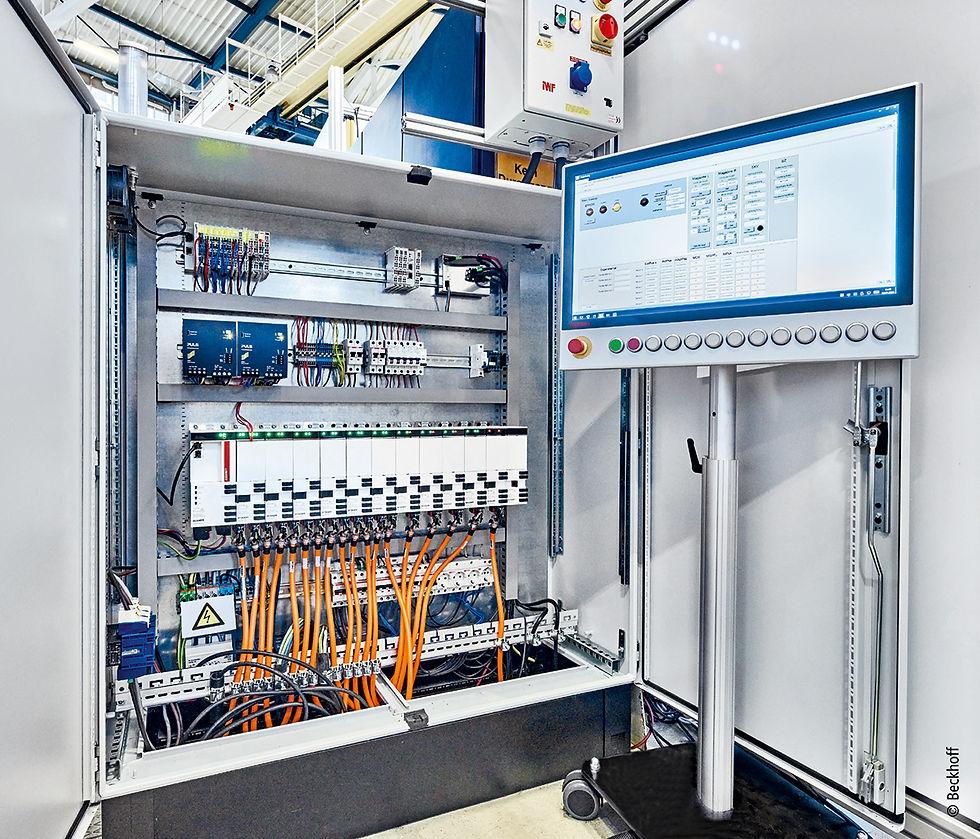
GCAN-212B Application: Ethernet-Based CAN Data Acquisition
Connect CAN field devices to an Ethernet-based PC using the GCAN-212B. Collect, monitor, and record CAN data through TCP or UDP Socket communication.
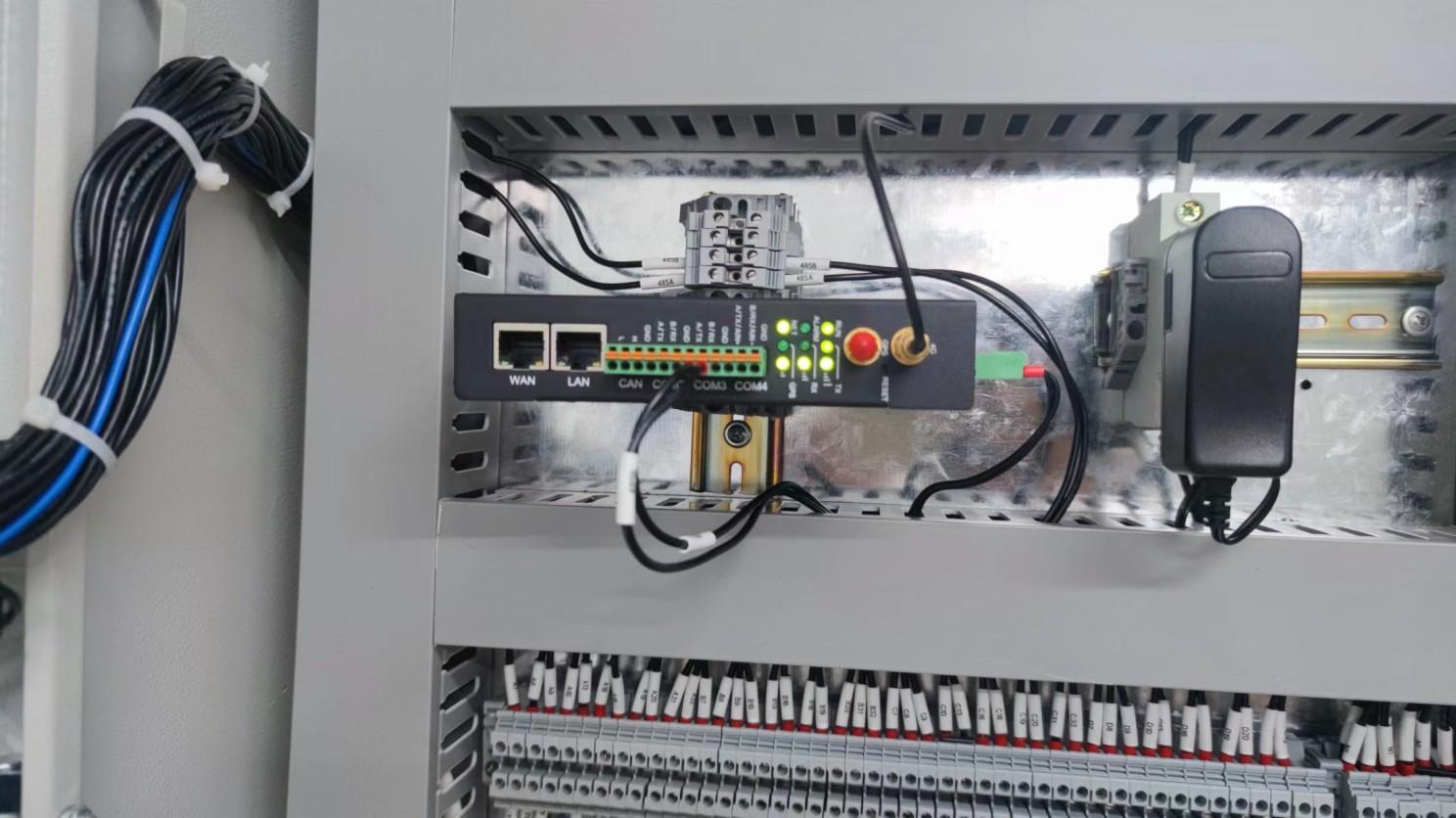
GCAN-211 Application: Wireless CAN Bus Monitoring & Data Acquisition
Wireless CAN Bus Monitoring · WiFi Connectivity · 2-Channel CAN · TCP/UDP Communication · Remote CAN Data Acquisition
GCAN-208 Application: Long-Distance CAN Communication
Long-Distance CAN Communication · GCAN-208-1 Fiber Optic Repeater · Up to 20 km · CAN 2.0A/B · Electrical Isolation · Industrial Applications
GCAN-205 Application: Modbus TCP to CAN Command Transmission
PLC-to-CAN Command Transmission · GCAN-205 Modbus TCP-to-CAN Gateway · Modbus TCP Slave · CAN 2.0A/B · Triggered and Cyclic Transmission
USBCAN-II C Application: Dual-Channel CAN Network Monitoring
2-Channel CAN Monitoring · Independent Bus Diagnostics · CAN 2.0A/B · Real-Time Frame Capture · USBCAN-II C
Choose the Right Industrial CAN Gateway
| Model | Processing Level | CAN-Side Role | Can it act as a Master? | Sub-models / Programmability | Interfaces | Application | |
| GCAN-204 | Register mapping (Not transparent) | Fixed Modbus RTU Slave | No. Modbus RTU Slave only. | Single fixed firmware. Free config software, zero programming. | 1× RS485, 1× CAN 2.0A/B |
PLC/HMI (Modbus master) reading CAN sensors; legacy retrofits. | |
| GCAN-205 | Register mapping (Not transparent). | Fixed Modbus TCP Slave | No. Modbus TCP Slave only. | Single fixed firmware. Free config software. | 1× Ethernet, 1× CAN 2.0A/B |
SCADA/HMI reading CAN devices over Ethernet. | |
| GCAN-208 | Pure physical-layer passthrough. | No protocol role | No. No protocol stack. | Sub-models: 208-1, 208-2, 208-2F. | 1–2× Fiber, 1–2× CAN 2.0A/B |
Long-distance CAN extension, high EMI isolation. | |
|
Socket-level transparent transmission. | No protocol role | No. Data pipe only. | Single unit. Can work in pairs as a wireless CAN repeater. | 2× CAN, 1× Ethernet, 1× WiFi |
Wireless CAN access, mobile debugging. | |
| GCAN-212B | Socket-level transparent transmission. | No protocol role | No. Data pipe only. | Single unit (DIN-rail). | 2× CAN, 1× Ethernet |
Dual-channel CAN to Ethernet inside cabinets. | |
| GCAN-GT-8221 | Splits by sub-model: | EtherCAT Slave → CAN: |
|
Sub-models: -CAN, -COM. Fixed firmware. | 2× EtherCAT (daisy-chain), 1× CAN |
EtherCAT PLC integrating existing CANopen slave devices. | |
| • -CAN: Raw passthrough. | • -CAN: Passthrough | ||||||
| • -COM: CANopen slave stack (Semantic parsing). | • -COM: CANopen Slave | ||||||
| GCAN-GT-8321 | Splits by sub-model (Most comprehensive): | Profinet Slave → CAN: | Profinet side: No. | Sub-models: -CAN, -COM, -COS, -MRTUM, -MRTUS, -MTCPS, -PROG. | 2× Profinet, 1× CAN, 1× RS485, 1× Ethernet (varies) |
Siemens PLC integrating CANopen drives; active CANopen network management. | |
| • -CAN: Raw passthrough. | • -CAN: Passthrough | CAN side: NO | |||||
| • -COM: CANopen Slave. | • -COM: CANopen Slave | CAN side: NO | |||||
| • -COS: CANopen Master (NMT, node monitoring). | • -COS: CANopen Master | CAN side: -COS YES | |||||
| • -PROG: Programmable. | User-defined (Master/Slave configurable) | Yes (Configurable via program) | |||||
| GCAN-GT-415 | Full programmable semantic processing. | Configurable via program | Yes, fully configurable. CANopen & Modbus Master/Slave. | No fixed sub-models. Programmable via OpenPCS (IEC 61131-3). | 2× CAN, Ethernet, RS485, RS232, 4G, WiFi | Multi-protocol mixing, non-standard logic, remote upload (acts as a mini-PLC). |